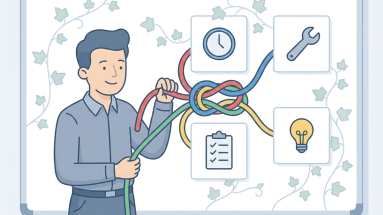
Stop Trying to Solve the Whole Thing at Once
There is a particular kind of overwhelm that hits operations leaders when things go wrong. A delivery misses its date, a process breaks down, a team starts firefighting, and suddenly
Giles Johnston is a Chartered Engineer who consults with businesses to improve their on time delivery performance, ERP system performance and deploy Kaizen / Lean production methods. Giles is also the author of 'What Does Good Look Like?'.
There is a particular kind of overwhelm that hits operations leaders when things go wrong. A delivery misses its date, a process breaks down, a team starts firefighting, and suddenly

Why on-time delivery problems persist On-time delivery problems are rarely caused by one big issue. More often, they come from a series of smaller problems: unclear priorities, inconsistent planning, poor communication,
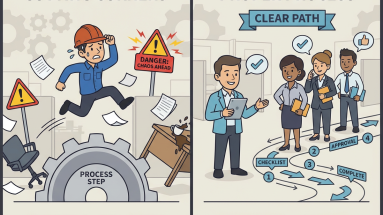
Cutting corners might seem like a harmless shortcut in the moment—just a quick way to get things done. But in reality, these shortcuts often create new habits and degrade the

On time delivery is the heartbeat of any successful manufacturing or operations team. When deadlines slip, customer trust and profit margins quickly follow. That’s why we built Continuously—to give you

I'm delighted to announce that Effective RAG Trackers is now available on Amazon! This book is for every manager who's tired of chasing their team for updates and wants a better
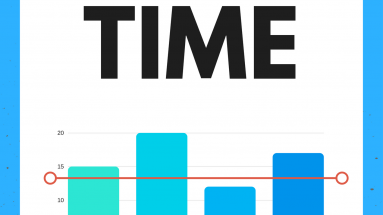
The concept of 'takt time' often conjures images of busy factory floors and assembly lines, but its power extends far beyond traditional manufacturing. Consider the administrative environment: an office team
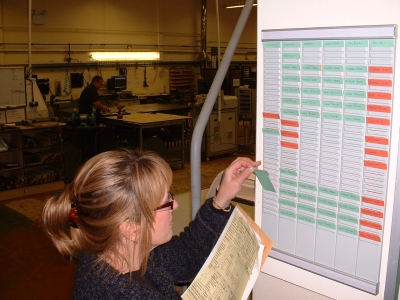
Being able to complete all of the tasks required to deliver on time, be them big or small, is a challenge for all of us. However, it is often the
One of the best ways to improve your on time delivery performance is to be consistent with how you run your business. I know of many owners that wince when their
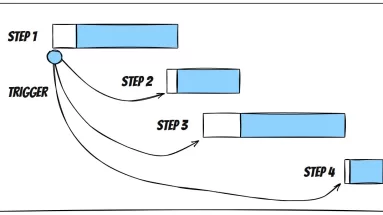
As we strive to improve our On Time In Full (OTIF) performance, we often look at the sequential nature of our processes. This gives us a timeline that could look like