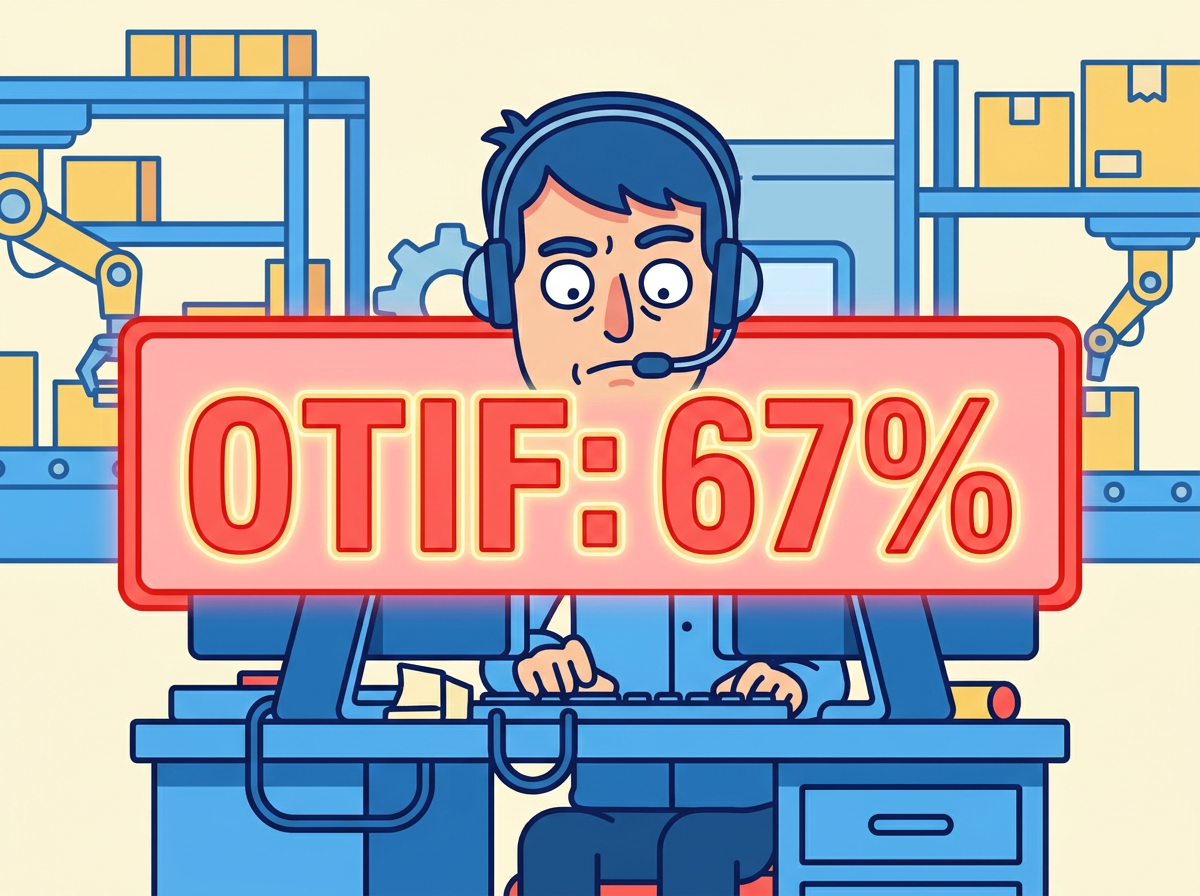
There is a particular kind of overwhelm that hits operations leaders when things go wrong. A delivery misses its date, a process breaks down, a team starts firefighting, and suddenly everything feels connected to everything else. The problem is enormous. Where do you even start?
The answer, almost every time, is the same: you do not start with the whole thing. You start by taking it apart.
The problem with treating problems as one big lump
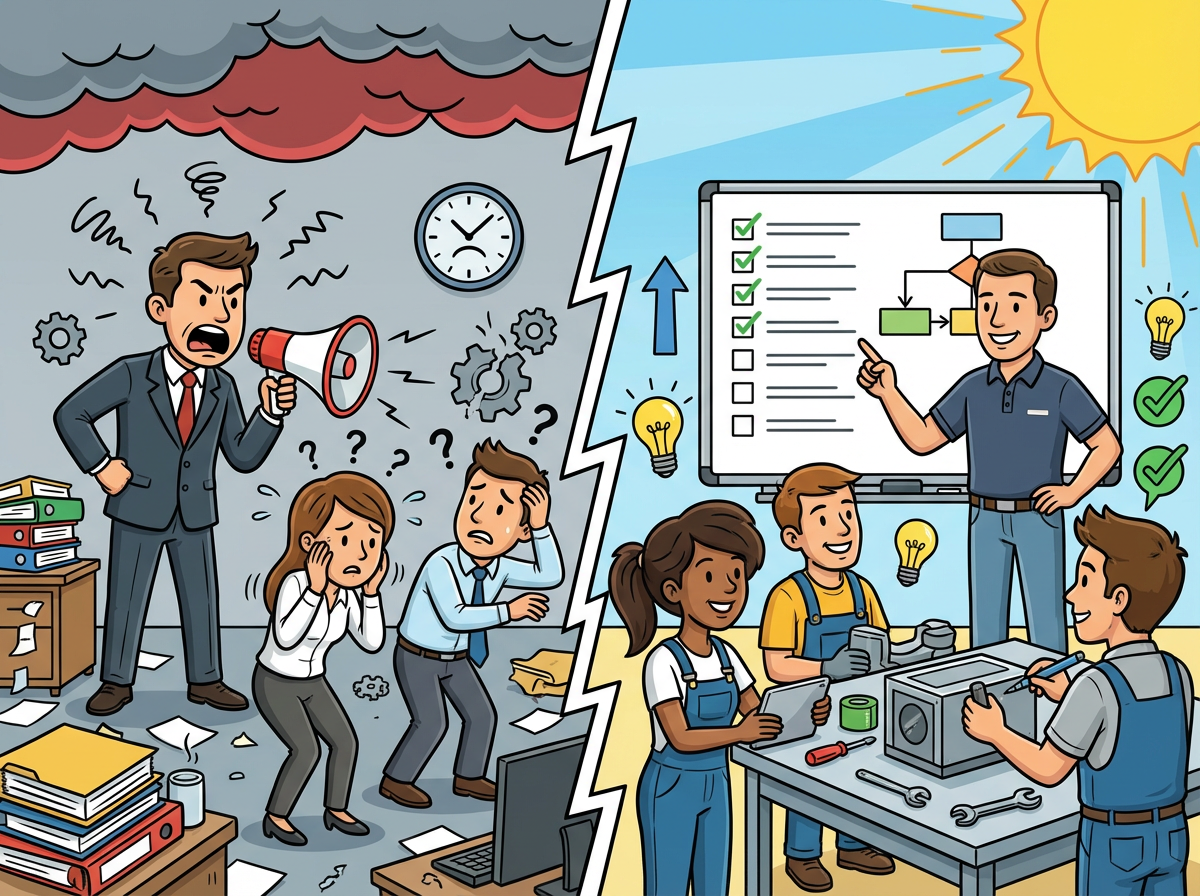
When you look at a business challenge as a single, tangled issue, it is hard to act on it. It feels too large, too unclear, and frankly a bit demoralising. So people either freeze, treat the symptom nearest to them, or try something sweeping that does not actually fix the root cause.
What looks like one problem usually is not. It is three, four, sometimes a dozen separate issues sitting on top of each other. Each one is manageable. All of them together are not.
Pick it apart first
The most useful thing you can do before attempting any fix is to decompose the problem. Write down every issue you can identify. Be specific. “Deliveries are late” is not an issue — it is an outcome. The issues underneath might be late raw material arrivals, unrealistic scheduling, no visibility on progress, a team that has stopped flagging problems early, and poor communication with customers.
Each of those is a separate problem. Each one has a different owner, a different fix, and a different timeline to resolve.
This step takes discipline. There is a strong pull towards action, and sitting down to map out the constituent parts of a problem can feel like procrastination. It is not. It is the work that makes the action worthwhile.
Prioritise what you can actually move
Once you have a list, you need to prioritise it. Three things are worth weighing up for each item:
- How easy is it to fix?
- How quickly can it be resolved?
- What is the impact if it gets resolved?
Some issues are genuinely quick to address — a process step that has drifted, a communication gap that just needs a conversation, a visual management tool that is out of date. These are worth doing immediately. Small wins build momentum, free up capacity, and send a signal to the team that things are changing.
Other issues take longer. They require resource, planning, or a change in behaviour that does not happen overnight. Those go on a proper plan with clear ownership and a timeline.
Some issues you can live with — for now
Here is something that does not get said enough: not every problem needs solving right away. Some issues are low impact. Some will resolve themselves as you fix the bigger ones. Some are genuinely not worth the effort at this point in time.
The danger comes when you leave issues sitting too long without consciously choosing to do so. Problems that are not actively managed have a habit of growing together. Like ivy on a wall, they get intertwined. A minor scheduling quirk connects to a stock issue which is linked to a supplier relationship which feeds back into your capacity planning. What started as a small problem becomes something that looks much worse than it is — not because it got harder to solve, but because it got harder to see clearly.
If you are going to leave something, make that a conscious decision. Put it on a watchlist. Review it periodically. The difference between a managed problem and a neglected one is intention.
Plan it out and get it sorted
Once you have your list decomposed and prioritised, the rest is execution. Build a simple plan — who owns each item, what the next action is, and by when. Not a project plan that takes three days to create, but something clear enough that the right people know what they are doing.
Review progress regularly. Close things out. Move on to the next item. It is not complicated, but it requires consistency.
The businesses that make steady, meaningful improvements are not the ones with the cleverest ideas. They are the ones that get clear on what the actual problems are, deal with them in the right order, and do not let things pile up unmanaged.
Have you split your issues up and truly defined what problems you need to solve?