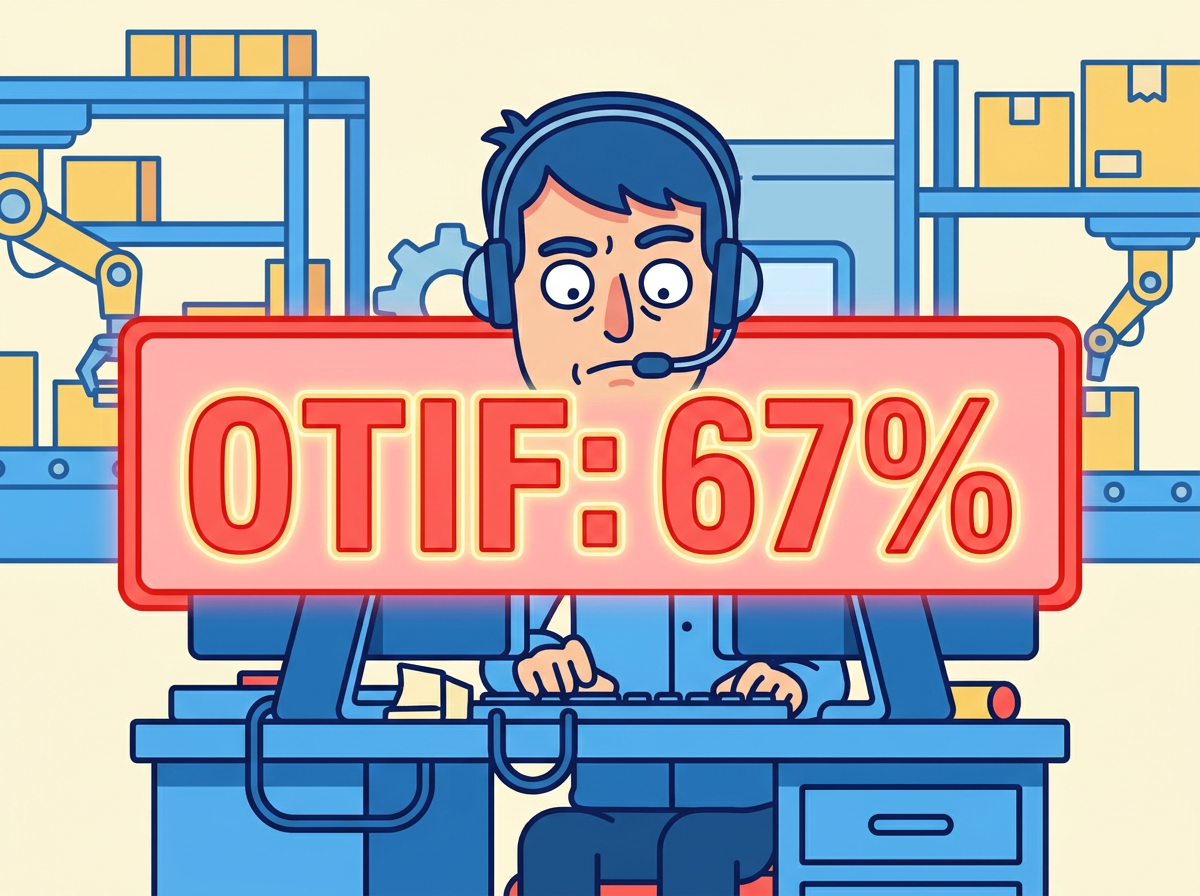
Why on-time delivery problems persist
On-time delivery problems are rarely caused by one big issue. More often, they come from a series of smaller problems: unclear priorities, inconsistent planning, poor communication, weak follow-up, and different people holding different views of what “good” looks like.
A better way to improve delivery performance
That is why What Does Good Look Like? can be so valuable for businesses that want to improve delivery performance.
The book encourages leaders to define clear expectations before problems arise. Instead of only stepping in when orders are late or customers are unhappy, it helps managers describe what good planning, good scheduling, good escalation, and good teamwork should look like every day.

What teams need to know
This is important because teams cannot consistently deliver on time if they are unclear about the standards they are expected to meet.
For example:
- What does a good production plan look like?
- What does good communication between sales, operations, and production look like?
- What should happen when a risk to delivery is identified?
- What does good daily management look like?
From firefighting to prevention
If these things are not clear, people often work hard but pull in different directions. The result is missed deadlines, rushed decisions, avoidable firefighting, and disappointed customers.
Reading What Does Good Look Like? helps leaders create a shared understanding across the business. It gives them a better way to guide their teams: not by criticising late delivery after the event, but by setting out the behaviours, routines, and standards that make on-time delivery more likely in the first place.
The benefits of clearer expectations
That shift can have a major impact. When expectations are clear, teams can:
- Spot risks earlier
- Escalate problems sooner
- Coordinate better across functions
- Reduce confusion and rework
- Focus on the actions that protect delivery dates
Final thought
Improving on-time delivery is not just about pressure. It is about clarity. Teams need to know what good looks like if they are going to achieve it consistently.
If late delivery is hurting customer confidence, team morale, or profitability, this book offers a practical starting point. It helps leaders replace blame with clarity and create the conditions for better delivery performance.