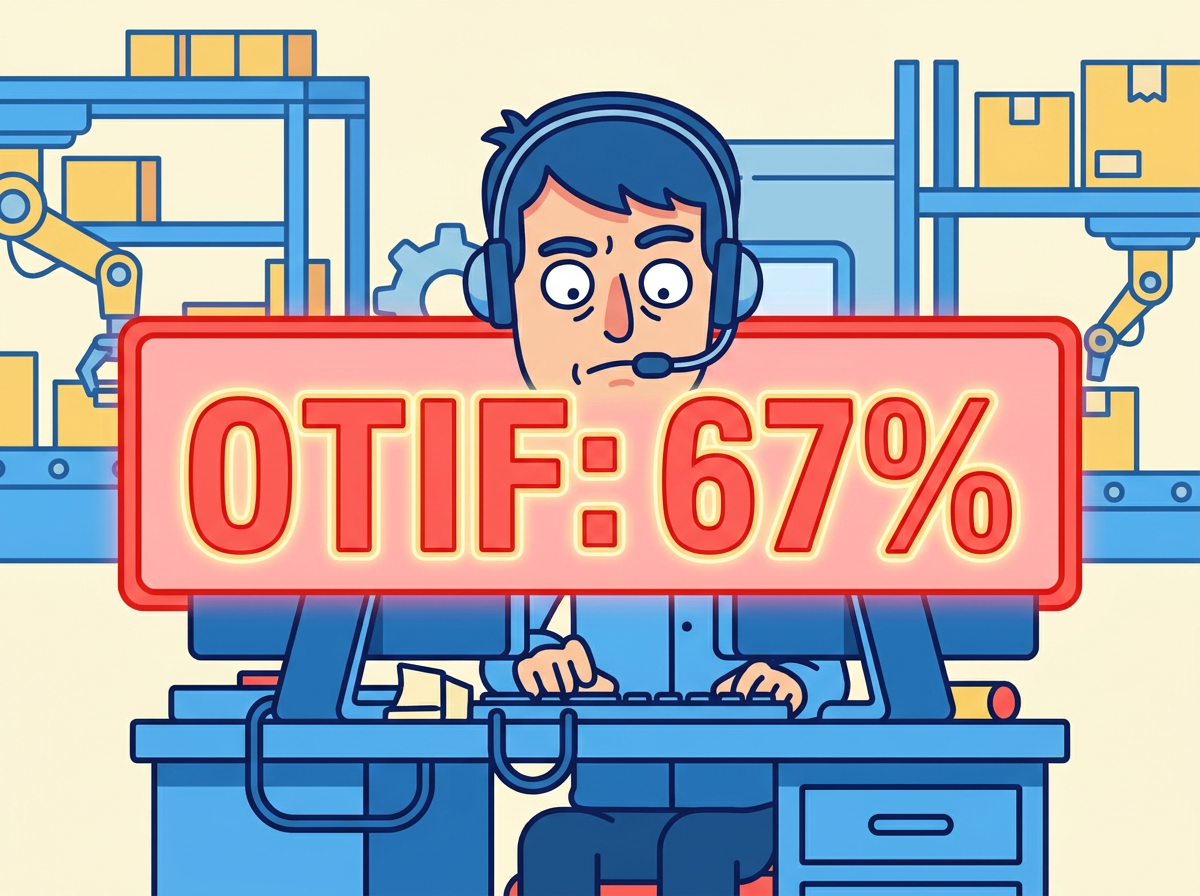
Cutting corners might seem like a harmless shortcut in the moment—just a quick way to get things done. But in reality, these shortcuts often create new habits and degrade the standards that keep your operation running smoothly. Over time, small compromises can snowball into major crises, putting your on-time delivery performance at real risk.
The Real Cost of Shortcuts
- Eroded Standards: Every time a process is skipped or done “just this once,” it sets a new, lower benchmark for what’s acceptable.
- Bad Habits: Teams quickly adapt to the path of least resistance, making it harder to restore the original standard.
- Crisis Mode: Eventually, these habits catch up with you—leading to missed deadlines, unhappy customers, and firefighting instead of progress.
The Manager’s Role: Guardian of the Process
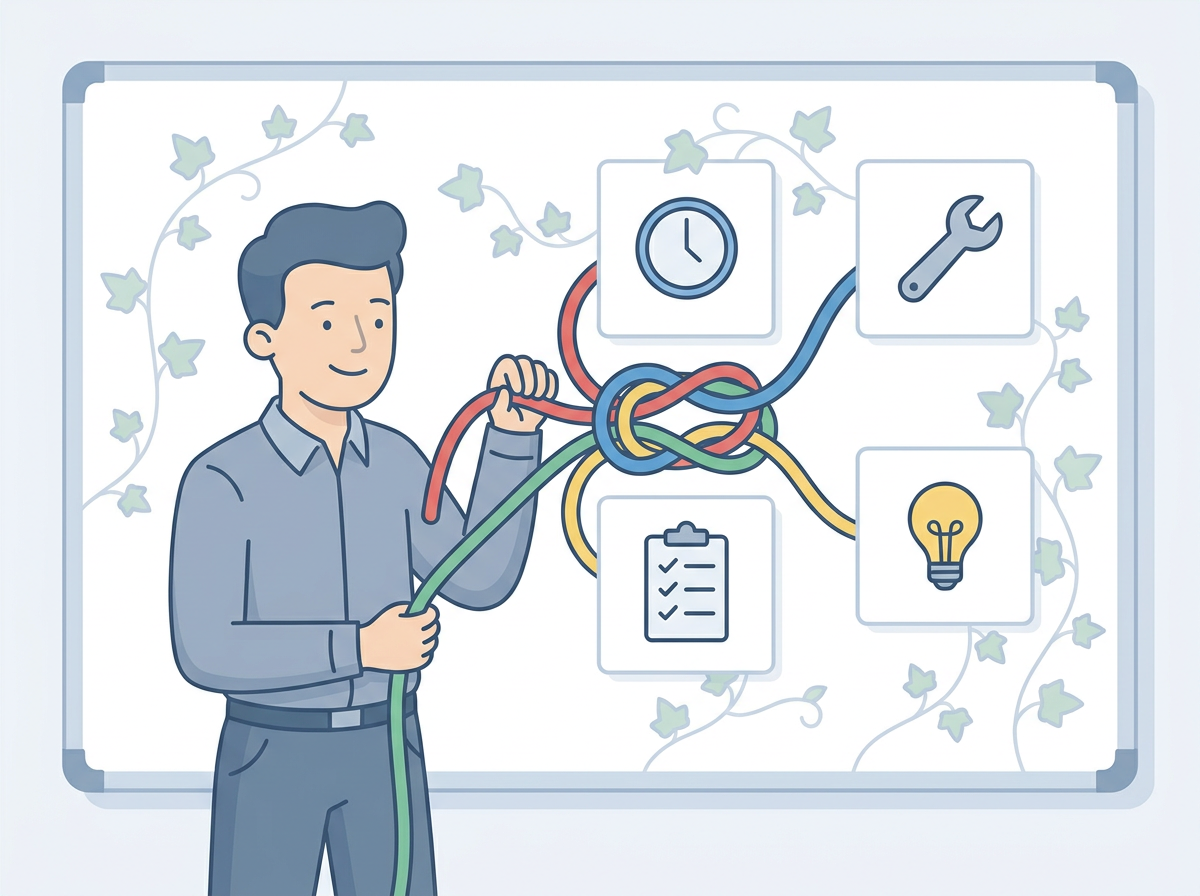
It’s management’s job to ensure that processes are followed properly—not just for the sake of rules, but to protect the business from these slow-burn risks. If a process feels too time-consuming or burdensome, the answer isn’t to ignore it. Instead, ask:
- Can the process be streamlined without losing its value?
- Are there steps that add little or no benefit?
- What tools or technology could make this easier for the team?
Practical Steps for Managers
- Observe and Listen: Spend time on the shop floor or in the office to see where shortcuts are happening and why.
- Engage the Team: Ask those closest to the work for ideas on how to make the process more efficient without compromising standards.
- Review and Refine: Regularly revisit processes to ensure they’re still fit for purpose—and make improvements where needed.
Final Thought
Shortcuts today can become tomorrow’s emergencies. Protect your on-time delivery performance by upholding standards, and when processes genuinely need improvement, lead the charge to streamline them—without cutting corners.
Practical, step-by-step improvement is always better than a quick fix.